
Short answer
Fossils are classified into several types based on how they are preserved, including body fossils, trace fossils, molds and casts, carbon films, and permineralized fossils. Each type reflects a different preservation process and aspect of ancient life.
Fossils are classified into several types based on how they are preserved, including body fossils, trace fossils, molds and casts, carbon films, and permineralized fossils. Each type reflects a different preservation process and aspect of ancient life.
Introduction
If you are just beginning to explore fossils, start with a clear definition and examples here: What Is a Fossil? Definition, Types and Examples.
Once you understand what a fossil is, the next question becomes more precise:
What exactly has been preserved?
Not all fossils hold the same kind of information.
Some preserve structure.
Others preserve movement.
Some record presence — others absence.
The classification of fossils is not just terminology.
It is a way of reading what kind of memory the Earth has kept.
Once you understand what a fossil is, the next question becomes more precise:
What exactly has been preserved?
Not all fossils hold the same kind of information.
Some preserve structure.
Others preserve movement.
Some record presence — others absence.
The classification of fossils is not just terminology.
It is a way of reading what kind of memory the Earth has kept.
Why Fossil Types Matter
Different fossil types reveal different dimensions of life:
No single fossil tells the full story.
But together, they form a layered record of how life existed, moved, and interacted.
- anatomy
- behavior
- environment
- biological processes
No single fossil tells the full story.
But together, they form a layered record of how life existed, moved, and interacted.
1. Body Fossils — Structure of Life
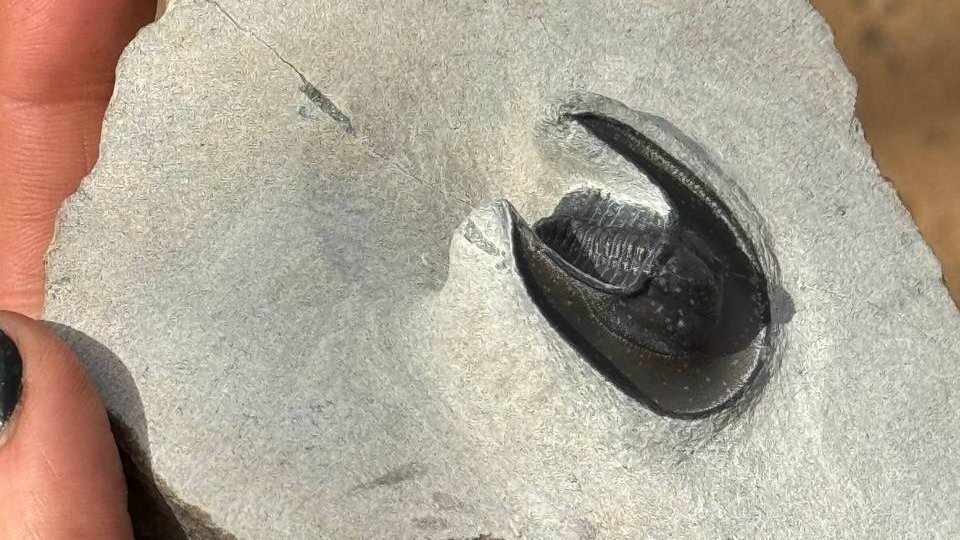
Body fossils preserve the physical remains of organisms.
These are not representations — they are the material evidence of life itself.
They include:
What makes them important is not just visibility, but fidelity.
They retain proportion, symmetry, and sometimes even microscopic detail.
These are not representations — they are the material evidence of life itself.
They include:
- skeletal structures
- shells
- teeth
What makes them important is not just visibility, but fidelity.
They retain proportion, symmetry, and sometimes even microscopic detail.
2. Trace Fossils — Evidence of Movement
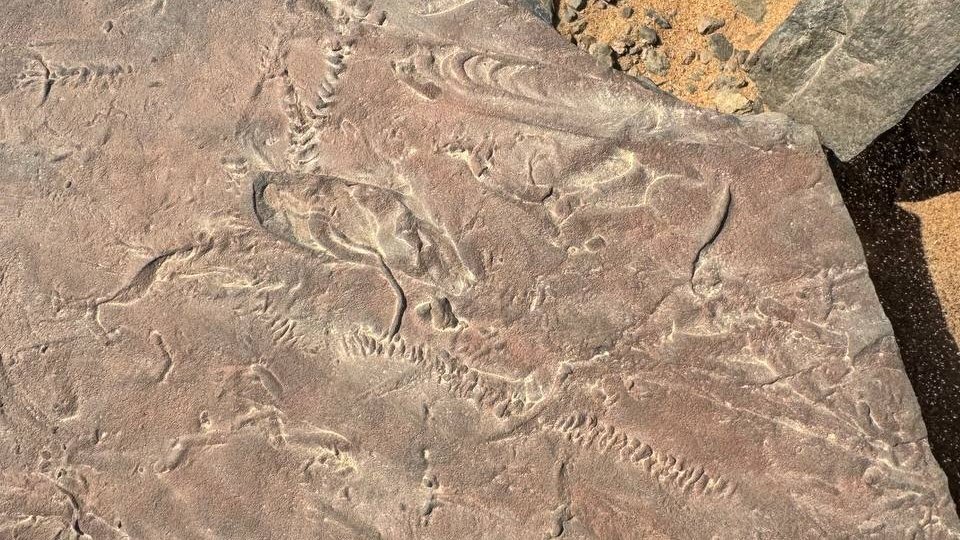
Trace fossils record activity, not the organism.
They answer a different question: Not what existed, but what happened.
Examples include:
They reveal:
In many cases, they are the only evidence that a living organism was ever there.
They answer a different question: Not what existed, but what happened.
Examples include:
- footprints
- burrows
- feeding traces
- coprolites
They reveal:
- direction
- behavior
- interaction
In many cases, they are the only evidence that a living organism was ever there.
3. Mold and Cast Fossils — Form Without Substance
These fossils exist in two stages:
A mold is an imprint — a space where something once existed.
A cast is that space filled — a form recreated by minerals.
They demonstrate that preservation does not require material — only structure.
- the absence of the original
- the reconstruction of its shape
A mold is an imprint — a space where something once existed.
A cast is that space filled — a form recreated by minerals.
They demonstrate that preservation does not require material — only structure.
4. Carbon Films — The Shadow of Life
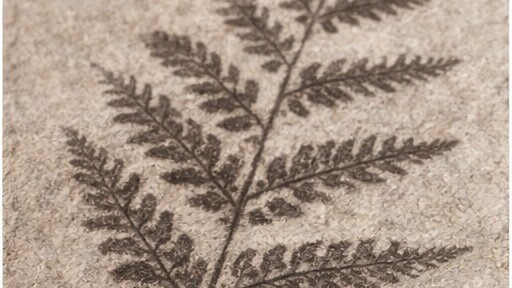
Carbon fossils preserve only a thin residue.
They form when:
What is left is not the body, but its outline.
These fossils are often fragile — but incredibly precise.
They form when:
- pressure compresses organic material
- volatile elements disappear
- carbon remains
What is left is not the body, but its outline.
These fossils are often fragile — but incredibly precise.
5. Permineralized Fossils — Structure Preserved from Within
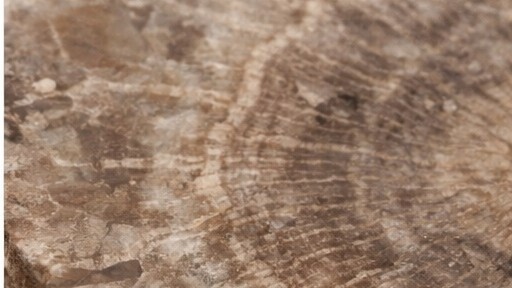
Permineralization occurs when minerals enter the internal spaces of an organism.
Instead of replacing the structure, they reinforce it.
This allows preservation of:
These fossils are among the most information-rich.
Each type of fossil is shaped by a different moment in the fossilization process — you can explore it step by step here: How Do Fossils Form? Step-by-Step Process Explained.
Instead of replacing the structure, they reinforce it.
This allows preservation of:
- cellular detail
- internal composition
- fine textures
These fossils are among the most information-rich.
Each type of fossil is shaped by a different moment in the fossilization process — you can explore it step by step here: How Do Fossils Form? Step-by-Step Process Explained.
A Different Way to See Fossils
Instead of categories, you can think of fossils as layers of memory:
Each one captures a different moment between life and stone.
- form (body fossils)
- action (trace fossils)
- imprint (molds)
- residue (carbon films)
- structure (permineralization)
Each one captures a different moment between life and stone.
Conclusion
No fossil is complete on its own.
Each type preserves only a fragment — a specific aspect of existence.
But together, they form a system of understanding.
A way to reconstruct not only what life looked like — but how it unfolded.
To see how different fossil types connect to real locations across the Earth, explore where fossils are found: Where Are Fossils Found? Locations Around the World.
Each type preserves only a fragment — a specific aspect of existence.
But together, they form a system of understanding.
A way to reconstruct not only what life looked like — but how it unfolded.
To see how different fossil types connect to real locations across the Earth, explore where fossils are found: Where Are Fossils Found? Locations Around the World.
FAQ
What are the main types of fossils?
The main types of fossils include body fossils, trace fossils, mold and cast fossils, carbon films, and permineralized fossils. Each type preserves a different aspect of ancient life.
What is the difference between body fossils and trace fossils?
Body fossils preserve the physical remains of an organism, such as bones or shells. Trace fossils record the activity of organisms, such as footprints, burrows, or feeding marks.
Which type of fossil is most common?
Body fossils, especially shells and marine organisms, are among the most common. Trace fossils are also widespread because they record behavior rather than physical remains.
How are mold and cast fossils formed?
Mold fossils form when an organism dissolves and leaves an impression in the surrounding rock. Cast fossils form when that impression is later filled with minerals, creating a replica of the original shape.
What type of fossils preserve soft tissues?
Carbon films and some exceptional preservation fossils can retain soft tissues or fine details, especially in low-oxygen environments.
Why are there different types of fossils?
Different types of fossils form because environmental conditions vary — including sediment, pressure, oxygen levels, and time. Each condition preserves a different aspect of life.
Are all fossils made of stone?
Most fossils are mineralized and turn into stone over time, but some, like carbon films, preserve only thin organic traces.
