
Amber is often placed next to fossils — in museums, in collections, in jewellery.
It looks ancient. It carries inclusions of life. It feels like something that has survived deep time.
But scientifically, a clear question remains:
Is amber a fossil?
The answer is not entirely simple — and that is what makes amber unique.
It looks ancient. It carries inclusions of life. It feels like something that has survived deep time.
But scientifically, a clear question remains:
Is amber a fossil?
The answer is not entirely simple — and that is what makes amber unique.
What Is Amber?
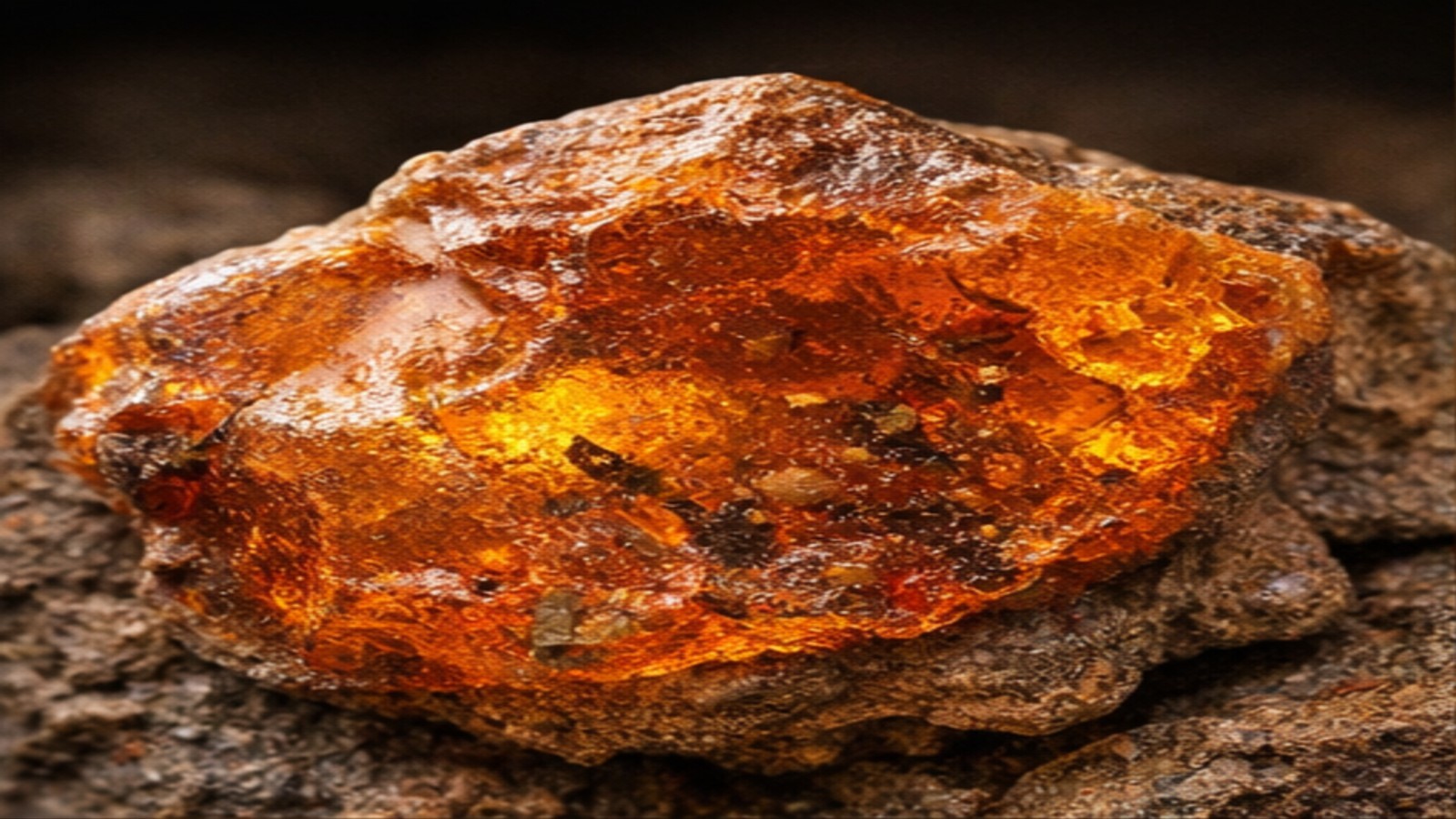
Amber is fossilized tree resin.
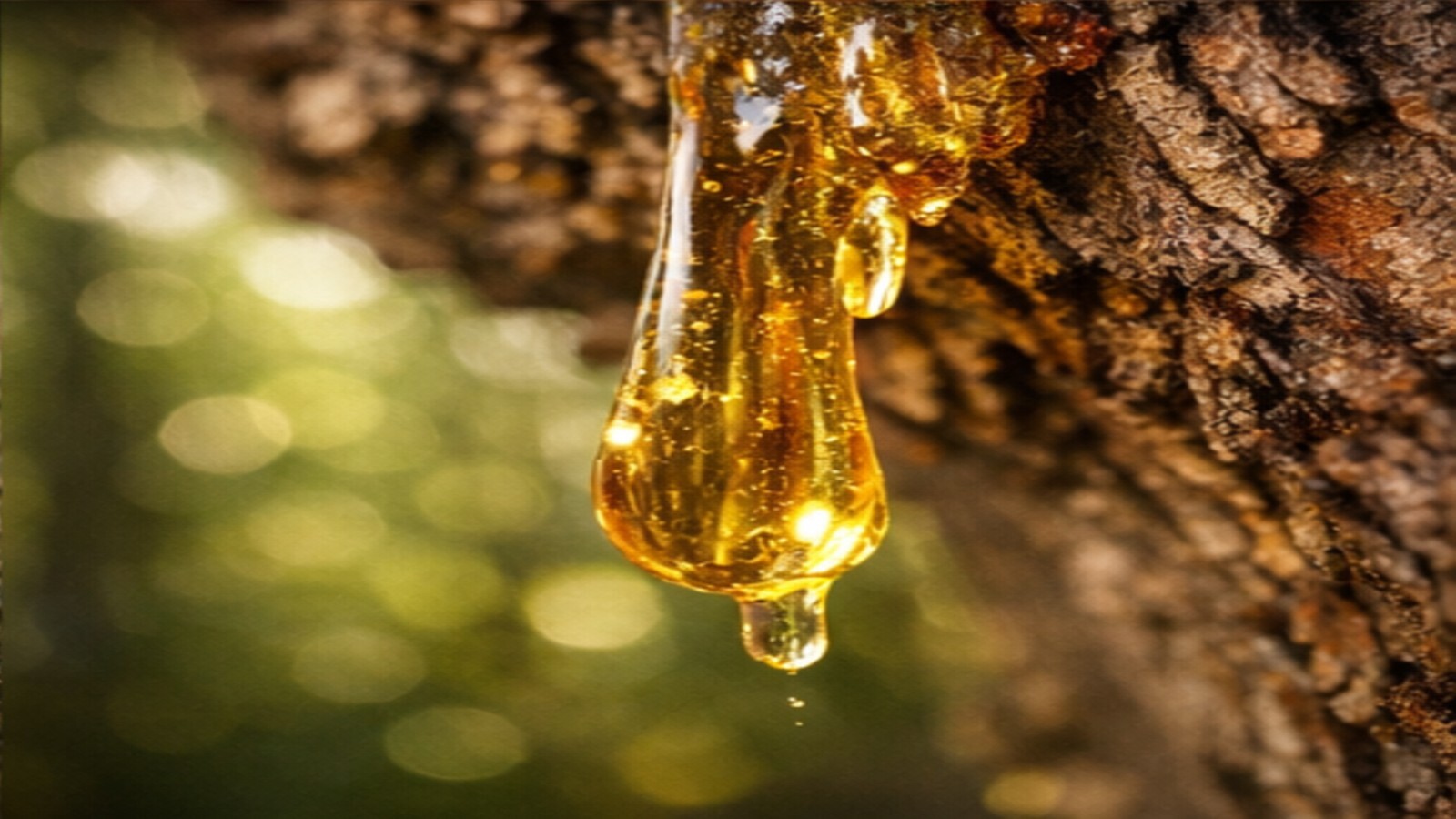
Millions of years ago, ancient trees released resin as a natural defense. This sticky substance flowed down trunks, trapping small fragments of the surrounding world — insects, plant matter, air.
Over time, the resin:
— was buried under sediment
— lost volatile compounds
— underwent polymerization
— hardened into a stable organic material
This transformation can take tens of millions of years.
Unlike minerals, amber originates from living biological processes.
Millions of years ago, ancient trees released resin as a natural defense. This sticky substance flowed down trunks, trapping small fragments of the surrounding world — insects, plant matter, air.
Over time, the resin:
— was buried under sediment
— lost volatile compounds
— underwent polymerization
— hardened into a stable organic material
This transformation can take tens of millions of years.
Unlike minerals, amber originates from living biological processes.
Is Amber Considered a Fossil?
Yes — but in a specific way.
A fossil is generally defined as any preserved evidence of past life. This usually includes:
— bones
— shells
— imprints of organisms
Amber does not fit this definition in a conventional sense.
However, it is classified as an organic fossil because:
— it comes from biological material (tree resin)
— it has undergone fossilization processes
— it often contains preserved ancient life
For this reason, scientists consider amber part of the fossil record — though it occupies its own category.
A fossil is generally defined as any preserved evidence of past life. This usually includes:
— bones
— shells
— imprints of organisms
Amber does not fit this definition in a conventional sense.
However, it is classified as an organic fossil because:
— it comes from biological material (tree resin)
— it has undergone fossilization processes
— it often contains preserved ancient life
For this reason, scientists consider amber part of the fossil record — though it occupies its own category.
Amber with Inclusions: Preserved Life
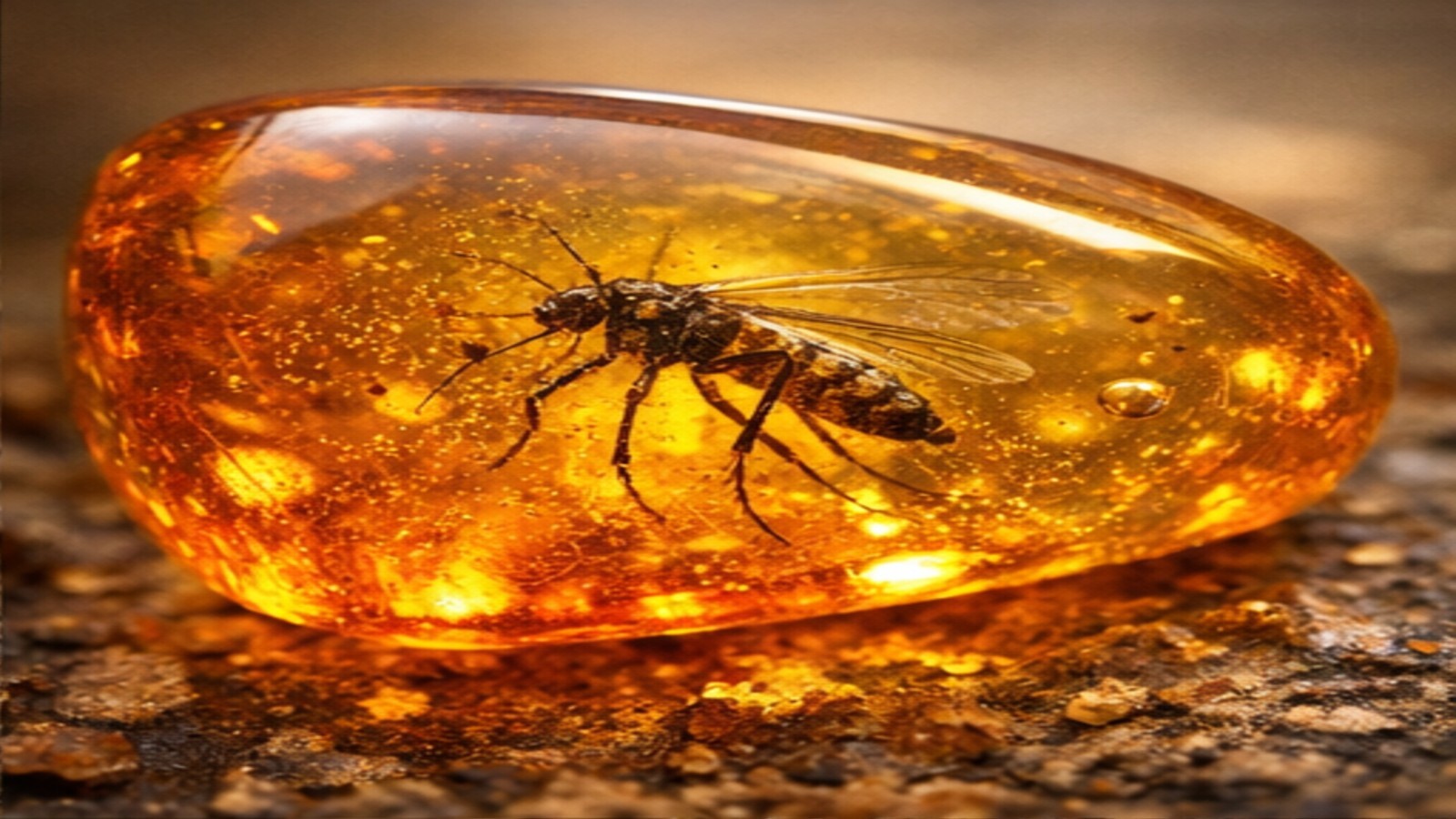
One of the most remarkable aspects of amber is its ability to preserve life in extraordinary detail.
Inside amber, we can find:
— insects
— plant fragments
— microorganisms
— air bubbles from ancient atmospheres
These are called inclusions.
Unlike traditional fossils, which are often mineralized or compressed, inclusions in amber can remain three-dimensional and highly detailed.
This allows scientists to study prehistoric ecosystems with exceptional accuracy.
Amber, in this sense, is not just a fossil — it is a time capsule of ancient life.
Inside amber, we can find:
— insects
— plant fragments
— microorganisms
— air bubbles from ancient atmospheres
These are called inclusions.
Unlike traditional fossils, which are often mineralized or compressed, inclusions in amber can remain three-dimensional and highly detailed.
This allows scientists to study prehistoric ecosystems with exceptional accuracy.
Amber, in this sense, is not just a fossil — it is a time capsule of ancient life.
How Amber Differs from Typical Fossils
Understanding the difference helps clarify its classification.
Typical fossils:
— formed through mineral replacement or compression
— represent the structure of an organism
Amber:
— formed from organic resin
— preserves organisms inside rather than replacing them
Amber does not recreate life in stone.
It protects it within itself.
Typical fossils:
— formed through mineral replacement or compression
— represent the structure of an organism
Amber:
— formed from organic resin
— preserves organisms inside rather than replacing them
Amber does not recreate life in stone.
It protects it within itself.
Why Amber Is Valuable
Amber is valued across multiple dimensions:
Scientific value — direct insight into prehistoric ecosystems
Aesthetic value — warm color, natural transparency, unique inclusions
Cultural and symbolic value — associated with preservation, memory, and time
Unlike gemstones formed deep within the Earth, amber originates from surface life — from forests, sunlight, and biological processes.
Scientific value — direct insight into prehistoric ecosystems
Aesthetic value — warm color, natural transparency, unique inclusions
Cultural and symbolic value — associated with preservation, memory, and time
Unlike gemstones formed deep within the Earth, amber originates from surface life — from forests, sunlight, and biological processes.
Amber in Jewellery
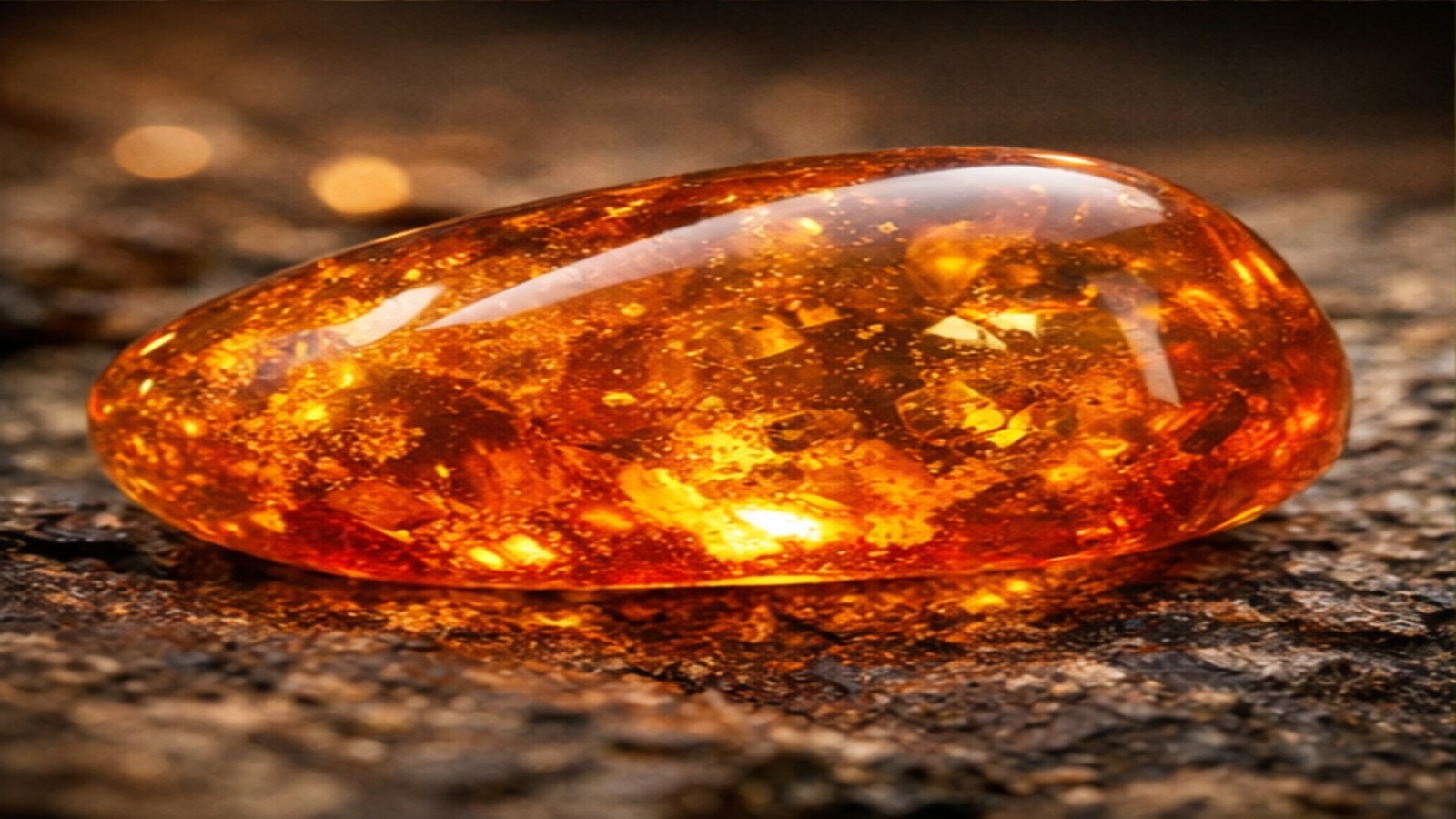
Amber behaves differently from mineral gemstones.
It is:
— lighter
— warmer to the touch
— more organic in appearance
Because of this, it pairs naturally with fossils in jewellery.
Both are materials shaped not just by geology, but by time and life itself.
In pieces created by Ampulla Temporis, such materials are not treated as decoration, but as fragments of Earth's history — preserved and carried forward through human hands .
It is:
— lighter
— warmer to the touch
— more organic in appearance
Because of this, it pairs naturally with fossils in jewellery.
Both are materials shaped not just by geology, but by time and life itself.
In pieces created by Ampulla Temporis, such materials are not treated as decoration, but as fragments of Earth's history — preserved and carried forward through human hands .
Conclusion
So, is amber a fossil?
Yes — but a unique one.
It is not a bone.
Not a shell.
Not an imprint.
It is fossilized resin — sometimes holding within it entire moments of ancient life.
Amber does not simply represent the past.
It contains it.
Yes — but a unique one.
It is not a bone.
Not a shell.
Not an imprint.
It is fossilized resin — sometimes holding within it entire moments of ancient life.
Amber does not simply represent the past.
It contains it.
